
Can you build muscle on a vegetarian or vegan diet?
In short
- Building muscle without meat works fine, provided you get enough protein.
- Plant protein works as well as animal protein, as long as the total amount is sufficient.
- After forty, enough protein is what protects your muscle while you lose weight.
A woman I spoke to recently asked me a question I hear more often than you would think: "Do your programmes work if I do not eat meat?" She had been vegetarian for years, wanted to get stronger and lose some fat, but somewhere along the line had picked up the idea that building muscle without meat does not really work.
The short answer I gave her: absolutely. And she is not the only one who doubts it. There is a stubborn idea that you have to "eat a lot of meat" to build muscle. I understand where it comes from, but it is wrong, and it holds a lot of people back for no reason.
Not what you leave out, but what you take in
Whether you eat meat, eat vegetarian or live fully plant based, the important thing is not what disappears from your plate. It is whether your body gets what it needs. And if you want to get stronger, keep muscle or lose weight, a large part of that comes down to protein.
Why protein matters so much: during a programme you do not only want to lose weight, above all you want to keep as much muscle as possible. That muscle gives you strength and energy, and keeps your metabolism up. After forty, and especially around the menopause, that is the difference between "slimmer but soft" and "slimmer and stronger".
Where does that protein come from?
If you eat meat, chicken, beef, fish, eggs and dairy are the familiar sources. But there are plenty of good options without meat too. As a vegetarian you can get a long way with skyr, quark, cottage cheese, tofu, tempeh, pulses and, if you want, a protein supplement.
If you eat fully plant based, the attention shifts a little towards combining different plant sources sensibly, so you take in enough and cover all the building blocks. So it certainly works, it just asks for slightly more attention.
Is plant protein inferior?
That is exactly the question that holds people back. The answer: not necessarily, but there are differences.
Animal proteins such as whey, the protein from milk, are relatively high in leucine. Leucine is an amino acid that plays an important role in switching on muscle building after a session. Whey is also absorbed quickly and contains all the essential amino acids in a favourable ratio. That is why it is often called the gold standard.
Soy is one of the few plant proteins that also has a complete amino acid profile. On average it contains slightly less leucine than whey, so as a vegetarian or vegan it can be sensible to eat a little more total protein, or to combine several plant sources.
But notice what this means: it does not mean you can achieve less without meat. With a well-built eating pattern you can build muscle, get stronger and lose weight perfectly well. The strategy asks for a little more attention, the result does not have to be smaller.
Food first, supplements after
I am often asked which shake or which powder to buy. My answer is almost always the same: let us first see whether we can solve it with ordinary food. In most cases we can.
A protein shake can be a useful addition if you struggle to hit your protein target with food alone. But that is exactly what it is, an addition. Not a replacement for a good eating pattern, and certainly not a miracle. Anyone who wants their result to depend on a tub of powder is building on the wrong foundation.
What you can do with this yourself
- Work out your protein target once. A practical guideline is roughly 1.6 to 2 grams of protein per kilo of body weight per day if you want to build or keep muscle. Once you know that number, the rest is a matter of filling it in, whether you eat meat or not.
- Spread your protein across the day. Not everything in one meal, but a portion at every meal. That serves your body better than one large load at the end of the day.
- Combine plant sources and vary them. If you eat little or no animal produce, alternate between pulses, soy, grains and nuts. Together they cover what one source alone does not, and you reach your total more easily.
And if you are unsure whether your eating pattern really fits your goal, whether you eat meat, are vegetarian or live fully plant based, have someone look at it with you. Not to impose a standard plan, but to see how the way you eat and your goals come together.
Frequently asked questions
Can you build muscle just as well with plant protein as with meat?
Source: meta-analysis of plant versus animal protein (Nutrition Reviews) →
How much protein do I need as a vegetarian to keep my muscle?
Source: Voedingscentrum on protein in vegetarian and vegan diets (in Dutch) →
Do I need protein powder if I eat vegetarian or vegan?
Read next
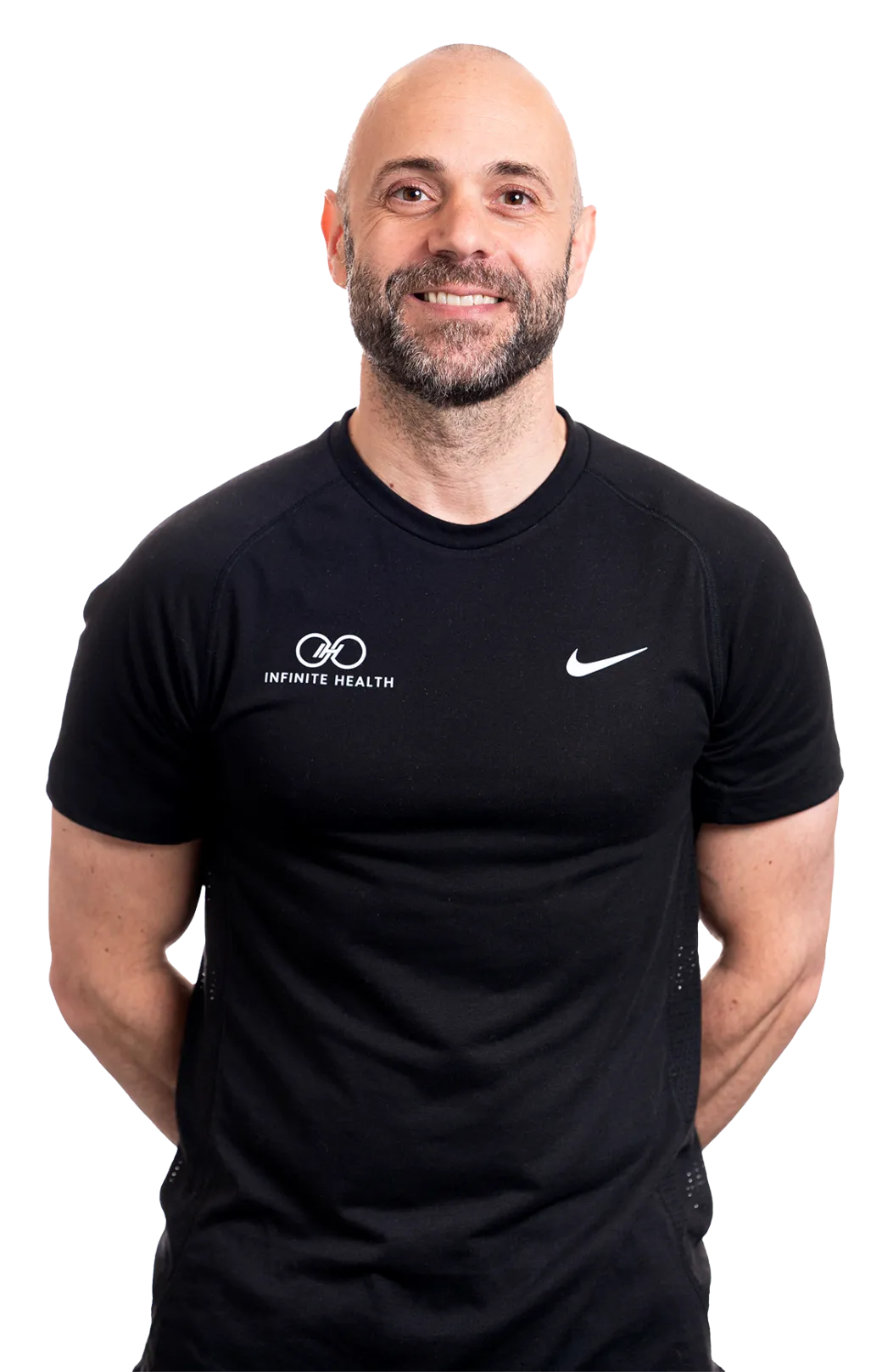
Remko Opdam
Personal trainer in Haarlem with ten years of coaching experience, certified in all three Mylogenics modules and as a T.O.P. Trainer A with Overload Worldwide. Specialised in strength training and nutrition for people over 40, plant based included.
Not sure whether your nutrition matches your goal? Book a free intake, no obligation, or read how training and eating fit together during the menopause.